
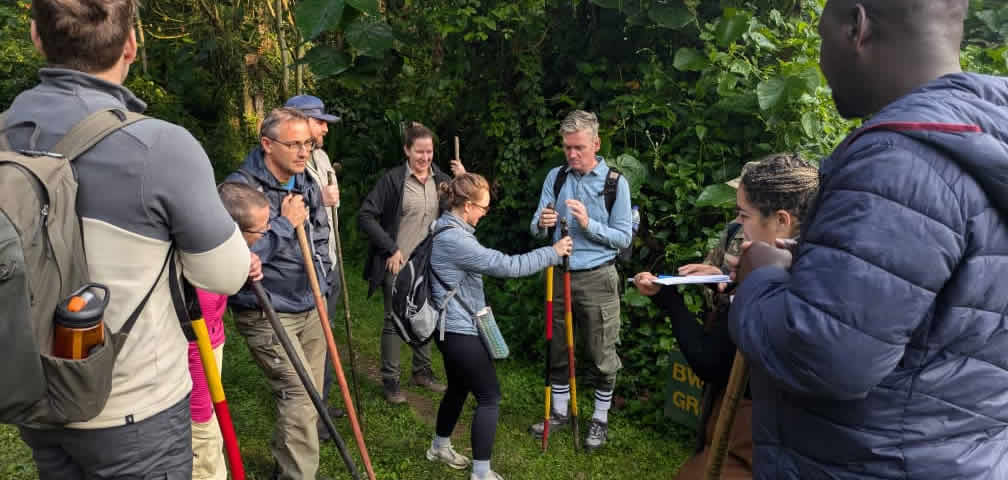
Gorilla trekking for elderly, senior travelers with disabilities is possible due to assisted services tailored to help carry the travelers to where the mountain gorillas are located for the allocated gorilla family. In fact, with the proper preparation, tailored services, hiring porters, booking a sedan chair, seeing gorillas in the wild for adventurers of all ages and abilities.
This guide is designed to help seniors with disabilities navigate the unique challenges of gorilla trekking without trekking steep demanding terrain. We provide practical tips, information on accessible services, and insights into the unforgettable experiences waiting in the heart of Africa. The thrill of connecting with these gentle giants is within reach—no matter your age or mobility level.
Why go Gorilla Trekking
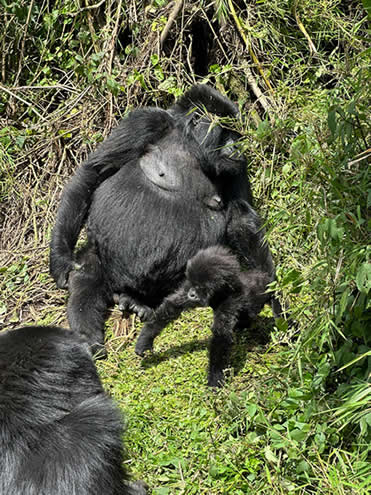
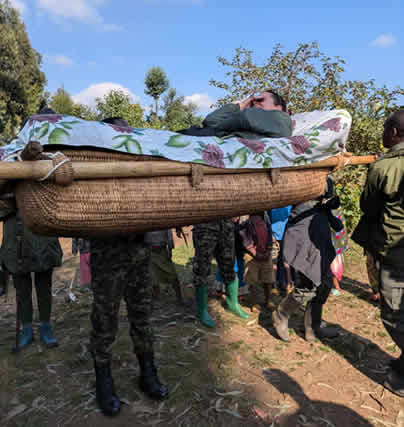 Uganda and Rwanda are home to 80% of the remaining worldwide population of endangered mountain gorillas. What truly sets gorilla trekking apart is the intimate nature of the experience. Unlike traditional safaris, where wildlife is observed from a distance, gorilla trekking allows for a close encounter with these gentle giants. You can observe their social dynamics, see a mother cradling her young, or watch juveniles play under the watchful eyes of a dominant silverback. It’s an encounter that evokes both awe and a deep connection to the natural world.
For seniors and travellers with disabilities, the opportunity to participate in such an adventure can feel like a distant dream. However, with the proper guidance and accommodations, the dream of walking alongside gorillas in the wild is possible for all disabilities.
h4>Is Gorilla Trekking Suitable for Seniors and Travelers with Disabilities?
Absolutely! Gorilla trekking can be adapted to suit kinds of travelers with disabilities, making this adventure more accessible and inclusive. It can, therefore, be a rewarding experience for seniors and travellers with disabilities, too. Thanks to increased efforts by tour operators and local authorities, many treks now offer tailored services and support to ensure that almost anyone can participate in this extraordinary journey.
The terrain in gorilla habitats can be challenging, often involving steep inclines, muddy trails, and uneven ground. However, with the help of trained guides, porters, and specialised equipment, these obstacles can be managed more easily. Porters are available to assist with carrying personal belongings. At the same time, those with mobility challenges can use sedan chairs—comfortable seats carried by a team of strong porters—to navigate difficult sections of the trek.
It’s also important to note that trekkers are typically matched with gorilla families based on their physical capabilities. Rangers consider factors like the length and difficulty of the trek when assigning groups, ensuring that those who need a less strenuous experience are matched with gorilla families closer to the starting point. This flexibility makes the experience more inclusive and accommodating for a broader range of abilities.
Additionally, trekking routes have varying difficulty levels, and with some advance planning, participants can choose trails that suit their comfort level. Those who might worry about keeping up with younger or more active groups will find that guides are patient and attentive, allowing plenty of time to rest and enjoy the surroundings comfortably.
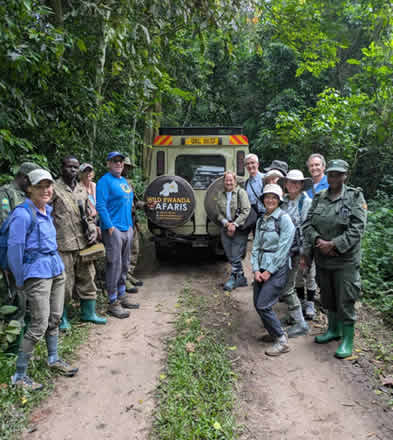
While physical readiness is essential, having the right mindset is equally crucial. A positive attitude and a sense of adventure can go a long way in making the trek enjoyable. Many seniors and travellers with disabilities have completed the trek, finding it one of their most empowering and memorable experiences. With the proper support and preparation, the dream of seeing gorillas in the wild can be within reach, no matter your age or physical condition.
Choosing the Right Destination: Uganda or Rwanda?
When planning a gorilla trekking experience, choosing the right destination is crucial. Both regions offer unique experiences, and understanding the key differences can help you make the best choice for your needs and preferences. While the terrain and scenery differ, each location has developed facilities and services that cater to seniors and travellers with mobility challenges.
Gorilla Trekking in Uganda: Bwindi Impenetrable National Park
Uganda’s Bwindi Impenetrable National Park is famous for its dense, jungle-like atmosphere, where ancient trees and thick undergrowth create a dramatic backdrop for gorilla trekking. The park is home to nearly half of the world’s remaining mountain gorillas, with multiple habituated families spread across four central trekking regions: Buhoma, Ruhija, Rushaga, and Nkuringo.
“Impenetrable” hints at the park’s challenging terrain.
The forest can be steep and slippery, especially during the rainy season, demanding some of the trails. However, trekkers can request more accessible routes or choose a gorilla family closer to the park’s edge, reducing the need for strenuous hikes.
Gorilla Trekking in Rwanda: Volcanoes National Park
Rwanda’s Volcanoes National Park offers a different but equally enchanting experience. Located on the slopes of the Virunga Mountains, the park’s landscape is characterised by bamboo forests, open meadows, and mist-covered volcanoes. It is home to several habituated gorilla families, making it a popular destination for travellers seeking a closer encounter with these primates.
Compared to Uganda, the trekking trails in Rwanda tend to be shorter, but they can be steep, given the park’s location on volcanic slopes.
The shorter distances often mean that trekkers can reach gorilla families within a few hours, making it a suitable option for those who prefer less time on the trail.
Accessibility and Support: Making Gorilla Trekking Inclusive
Gorilla trekking has become increasingly accessible to ensure that adventurers of all ages and abilities can enjoy this unique experience. A range of services and accommodations has been developed to cater to the needs of seniors and travellers with disabilities, making it possible to explore the wilderness with greater ease and comfort.
Porters
Porters are crucial to the trekking experience, providing physical assistance and support throughout the journey. They can help carry personal belongings such as backpacks, water, and cameras, allowing trekkers to focus solely on the trail ahead. Additionally, porters are trained to offer a helping hand on more challenging sections of the trek, such as steep slopes or muddy paths, making them an invaluable resource for seniors or anyone who may need extra support.
Sedan Chairs
For those with significant mobility challenges, sedan chairs offer a practical solution. These sturdy chairs are carried by a team of four porters, ensuring that travellers unable to walk long distances can still enjoy the whole gorilla trekking experience. 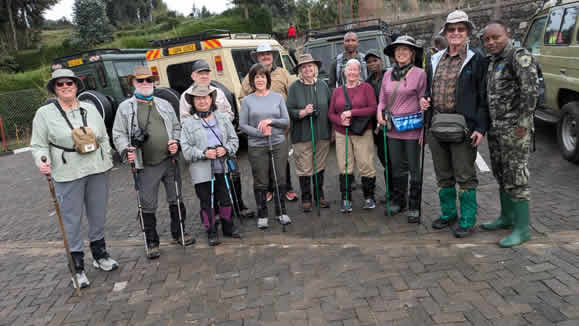 While it may require additional costs, the sedan chair option opens up the adventure to those who might otherwise be unable to participate. It also allows the traveller to sit back and take in the beautiful surroundings without the physical strain of hiking.
Flexible Tour Operators
Communicating any specific needs with your tour operator well in advance is essential. This allows time to arrange for the necessary services, including booking porters, arranging sedan chairs, or securing fully accessible accommodations. Tour operators with experience managing trips for seniors and those with disabilities can tailor the experience to ensure it meets individual needs, providing peace of mind and a smoother journey.
Well trained tour guides
Experienced guides are vital to the trekking experience, primarily catering to travellers with special needs. Many guides are trained to assist those with limited mobility, providing a pace that suits everyone in the group and offering detailed information about what to expect during the trek. They also ensure that all participants are comfortable and safe throughout the adventure, providing reassurance and expert guidance as they navigate the forest trails.
Accessible Accommodations and Facilities
Staying at lodges and camps designed with accessibility is essential to the journey. Many lodges near trekking locations offer wheelchair ramps, accessible bathrooms, and ground-level rooms. These accommodations often provide stunning views of the surrounding landscapes, allowing travellers to enjoy the region’s beauty even when not on the trails.
Seasonal Considerations for Seniors and Disabled Travelers
Timing is essential when planning a gorilla trekking experience, especially for seniors and travellers with disabilities. The weather and terrain conditions can significantly affect the comfort and enjoyment of the trek, so understanding the seasonal variations is crucial. Each season offers unique experiences, and choosing the right time to visit can help make the adventure smoother and more manageable.
Understanding the Seasons: Dry vs. Wet
The two main seasons to consider are the dry and wet seasons. The dry seasons, typically from June to September and December to February, are the most popular times for gorilla trekking. During these months, rainfall is less frequent, which makes the trails drier, more stable, and easier to navigate. For those who might have difficulty walking on muddy or slippery terrain, the dry season offers a safer and more comfortable trekking experience.
The wet seasons, from March to May and October to November
, bring more rainfall, making the trails muddier and more challenging. However, the wet season also has its advantages. The landscape is lush and green, with fewer visitors on the trails, which can create a more intimate and peaceful experience. While trekking during these months may require more physical effort, those who prefer solitude and vibrant scenery might find this time appealing, provided they are prepared for the conditions.
Temperature Considerations for Seniors
During the dry season, temperatures in the trekking areas are generally mild and pleasant, with cool mornings that warm up as the day progresses. This can be ideal for seniors, as extreme temperatures are less likely, reducing the risk of discomfort or weather-related health concerns. It’s essential to dress in layers to stay warm during the early hours of the trek and adjust as the temperatures rise throughout the day.
While the wet season is cooler overall, it can sometimes feel chilly due to the increased moisture in the air, particularly in the early morning hours. Those who are sensitive to cooler temperatures should pack warm, moisture-wicking clothing to stay comfortable during the trek. Lightweight rain gear is also essential during this time to ensure protection against sudden downpours.
Balancing Crowds and Availability
The dry season attracts more visitors, meaning accommodations and trekking permits can fill quickly. For those seeking a quieter experience, booking well in advance is necessary. Alternatively, travelling during the shoulder months—right at the beginning or end of the dry season—can strike a balance between good weather and smaller crowds.
On the other hand, the wet season sees fewer travellers, making it easier to secure permits and book accessible accommodations. Some tour operators may also offer discounts during this time, making it a more budget-friendly option. For seniors and travellers with disabilities willing to tackle slightly more challenging conditions, this could be an opportunity to enjoy the trek without the hustle and bustle of peak season.
Securing a trekking permit is critical in planning a gorilla trekking adventure. These permits grant access to the protected areas, help fund conservation efforts and support local communities. For seniors and travellers with disabilities, several considerations must be made when obtaining permits to ensure a smooth and enjoyable experience.
Understanding the Permit Process
When applying for a permit, it’s crucial to communicate any mobility issues or special needs to your tour operator or directly to the wildlife authorities. This information helps them assign you to a suitable trekking group, ensuring the experience is tailored to your capabilities. Being upfront about your needs allows guides to select a gorilla family closer to the starting point or plan for a less physically demanding trek.
Discounted Permits for Seniors
These discounts can make the experience more affordable, especially for retirees travelling on a budget. Eligibility for senior discounts may vary based on age thresholds, typically starting at 60 or 65 years old. Check with your tour operator or the issuing authorities to see if these discounts apply.
Tour operators play a pivotal role in permitting travellers with specific needs. Experienced operators can guide you through the paperwork, ensuring all necessary details are covered. They can often facilitate special requests like arranging porters or securing accommodations that meet accessibility requirements. They can also help plan a more relaxed itinerary, ensuring ample time for rest and acclimatisation before the trek.
Flexibility and Changes to Permits
Although gorilla trekking permits are generally non-refundable, some operators and authorities offer flexibility when exceptional circumstances arise, such as health issues or travel disruptions. For seniors and travellers with disabilities, it’s wise to inquire about the policies around rescheduling or modifying permits. Travel insurance that includes coverage for such changes can also provide additional peace of mind.

